
How to Effectively Tackle Yeast in Dogs
, by Georgia Huyton, 4 min reading time
, by Georgia Huyton, 4 min reading time
A guide on how to effectively combat yeast issues in dogs.
Yeast issues in dogs are ridiculously common, yet one of the biggest mistakes people make is focusing only on supplements or food while completely ignoring the fact the yeast is literally sitting on the skin.
If you don’t physically remove it, it keeps building up.
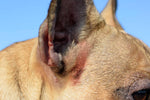
A lot of dogs with chronic itching, smelly skin, greasy coats, red paws, dark staining, head shaking, ear gunk, or that “musty/Fritos” smell are often dealing with yeast overgrowth. And once it gets established, it tends to become a cycle.
The key is tackling it from both directions:
People massively underestimate how important washing is.
If yeast is sitting on the skin surface, in wrinkles, between toes, or in ears, it will continue feeding, multiplying, and irritating the skin.
You cannot just sprinkle a supplement on food and expect years of yeast to disappear overnight.
In many dogs, especially during bad flare-ups, you may need to bathe several times a week initially to properly get things under control.
Not forever — but during active flare periods, consistency matters.

For skin issues, you want a shampoo specifically aimed at yeast-prone skin.
Our Shanzi Naturals Skin Rescue Shampoo is designed for itchy, yeasty, irritated skin and helps cleanse away the build-up sitting on the coat and skin surface.
This is especially important for dogs with:
The goal isn’t just making the dog smell nicer.
The goal is physically reducing the yeast load sitting on the body.

Ears are one of the biggest problem areas because yeast absolutely thrives in warm, moist environments.
That’s why simply wiping ears occasionally often isn’t enough once yeast takes hold.
We recommend:
Our Ear Powder helps absorb moisture and keep the ear environment less friendly for yeast overgrowth.
This is especially useful for:

Wrinkles and skin folds trap moisture, warmth, saliva, and debris — basically the perfect environment for yeast.
Breeds with facial folds or skin creases often need regular maintenance to stop things building up.
Our Wrinkle Wash is designed to help keep folds clean and fresh while reducing that damp environment yeast loves.

External cleaning helps remove what’s already there.
But internal support helps reduce the conditions that allow yeast to keep flaring up.
Our Yeast Support Powder is designed to support:
The aim is helping the body become less reactive over time while supporting healthier skin from within.
One bath is usually not enough.
One supplement tub is usually not enough.
With chronic yeast dogs, consistency is everything.
The dogs that improve most are usually the ones where owners:
Because once yeast gets deeply established, it tends to need a proper reset rather than a quick fix.


